On the Provenance of works from the Rudolf and Martha Löb Collection
Rudolf Löb (after emigration: Lob) was born in 1877 in Elberfeld (now Wuppertal). After completing a banking apprenticeship, he began his career in 1896 at the private bank Mendelssohn & Co. in Berlin, where he rose through the ranks over the years and ultimately became a partner in 1919. His activities, however, were not confined solely to banking. As a member of numerous supervisory boards, he was involved in the development of other banks, and his extensive expertise in finance gave his voice considerable weight even in political circles. In this capacity, he advised several governments of the Weimar Republic. At the same time, the internationally connected Löb served as Consul General of Belgium.
With the National Socialists rise to power, Löb increasingly became a target of antisemitic propaganda. Shortly after Hitler was appointed Chancellor in 1933, the Löbs decided to move their children and many of their possessions to safety in Amsterdam, where Rudolf’s brother Felix was running the Mendelssohn Branch. In 1935, Löb became the first non-family member to head the Mendelssohn Bank. By 1938, the bank was “Aryanized” in favor of Deutsche Bank. By 1939, due to these circumstances, Löb, together with his wife Martha Drews (1877–1965), prepared to leave Germany and emigrate to Buenos Aires. After almost a decade in Argentina, the couple emigrated to the United States in 1948, where they took up residence at the Hotel Somerset in Boston. Rudolf Löb died there in 1966.
The Löb family’s life in Berlin before 1933 was enriched by a community of talented artists, writers and musicians. Martha, an accomplished violinist, performed professionally while in Berlin and made sure her children had an appreciation of music and art. Many of the artists the Löbs supported were from the Berlin Sezessionist movement.
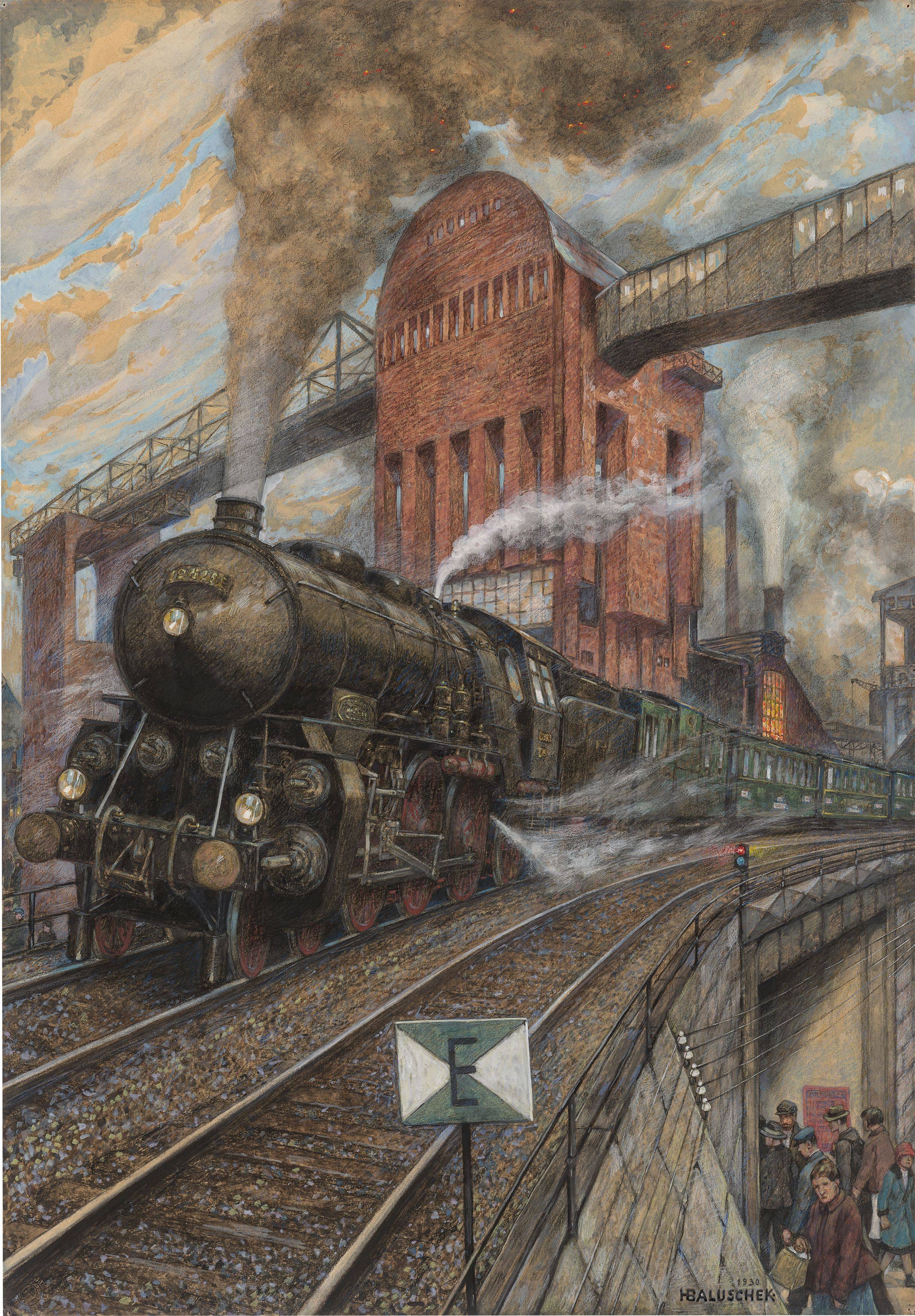
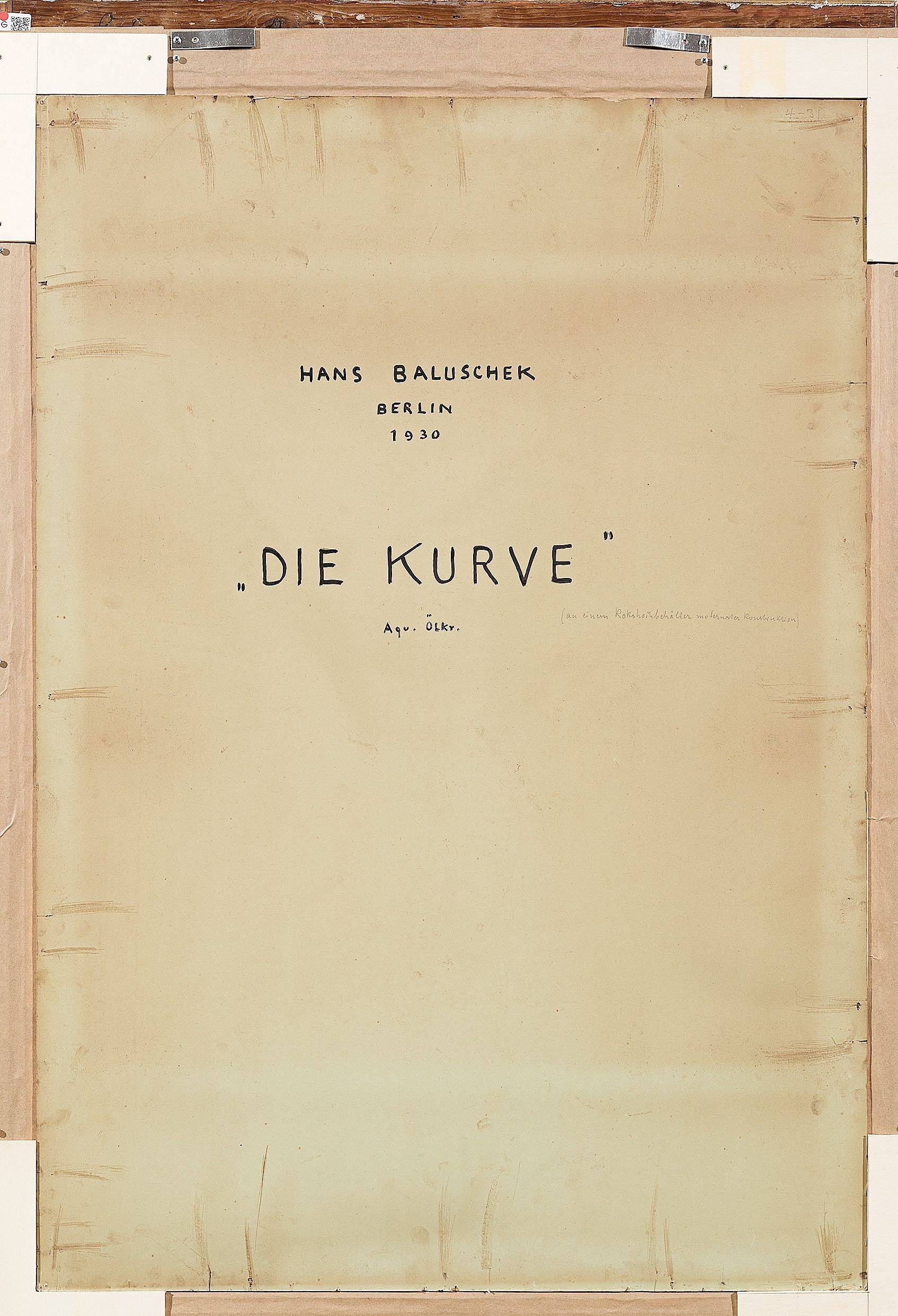
It is noteworthy that Rudolf and Martha Löb were able to bring their extensive art collection with them into exile. In addition to the five works offered here (lots 323, 331, 342, 343 und 346), the collection included works by Lovis Corinth, Oskar Kokoschka, Adolph Menzel, Leonid Pasternak, and Emil Nolde.