
Lot
10
Vienna 1938 – 2022 Mistelbach
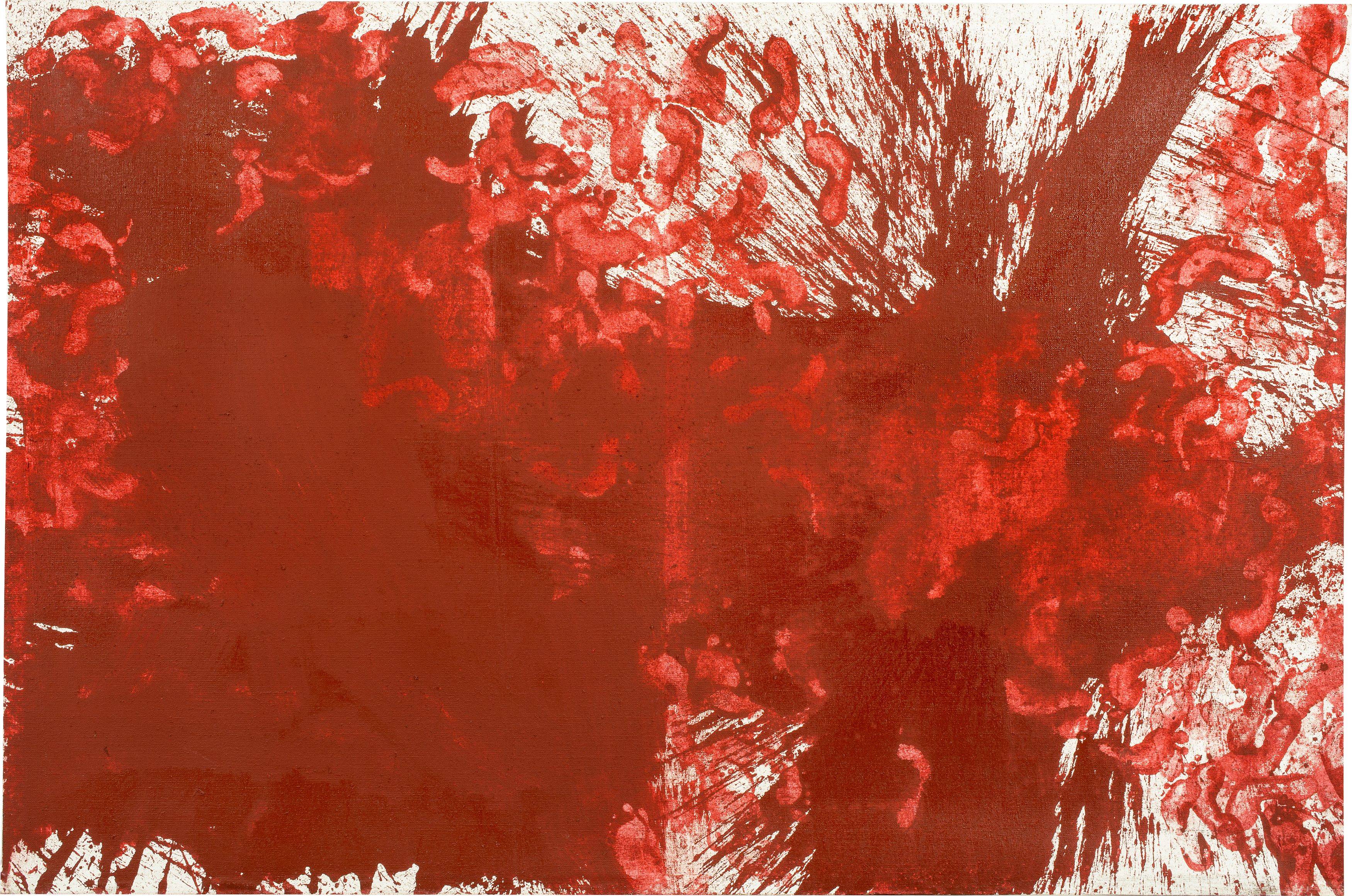
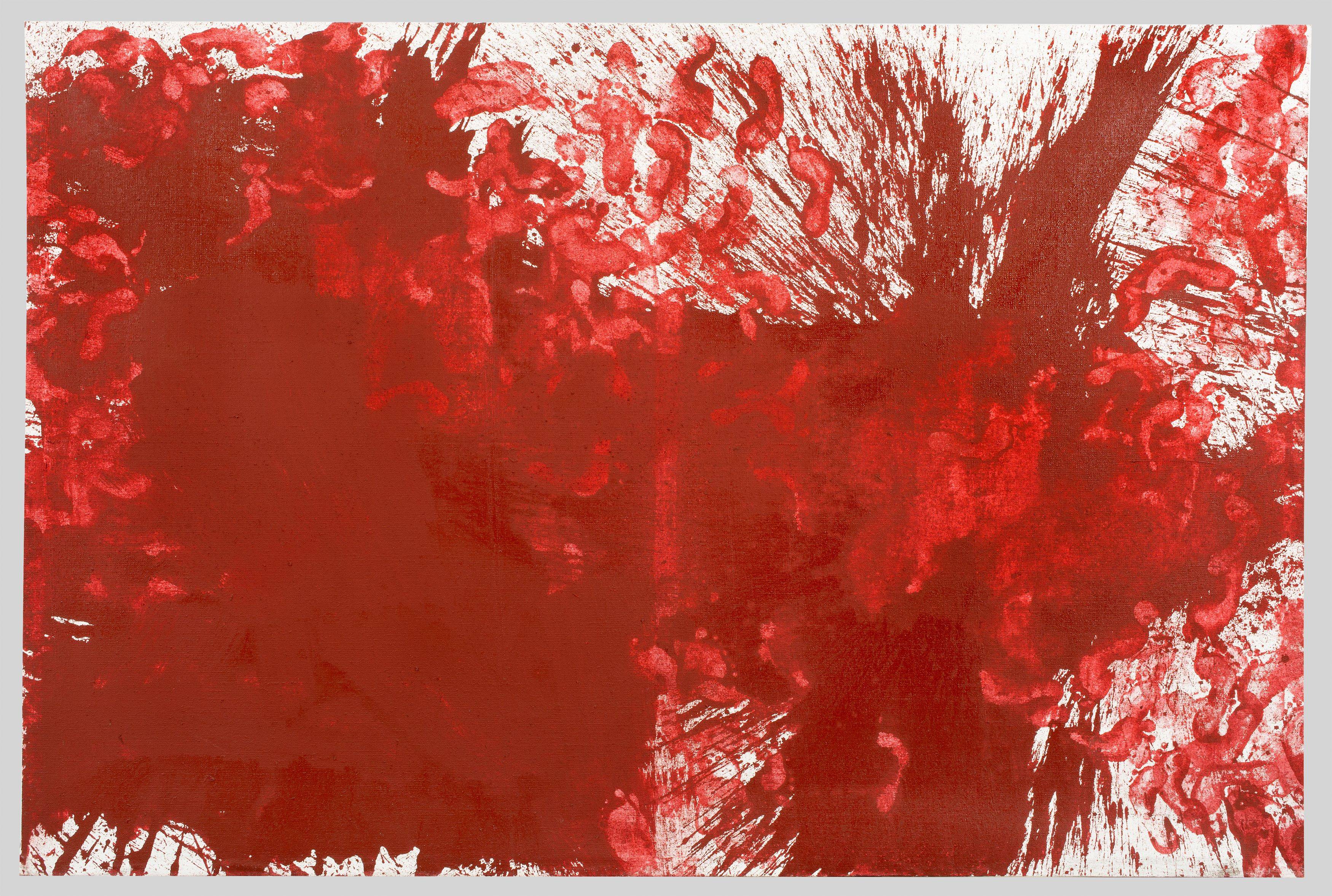
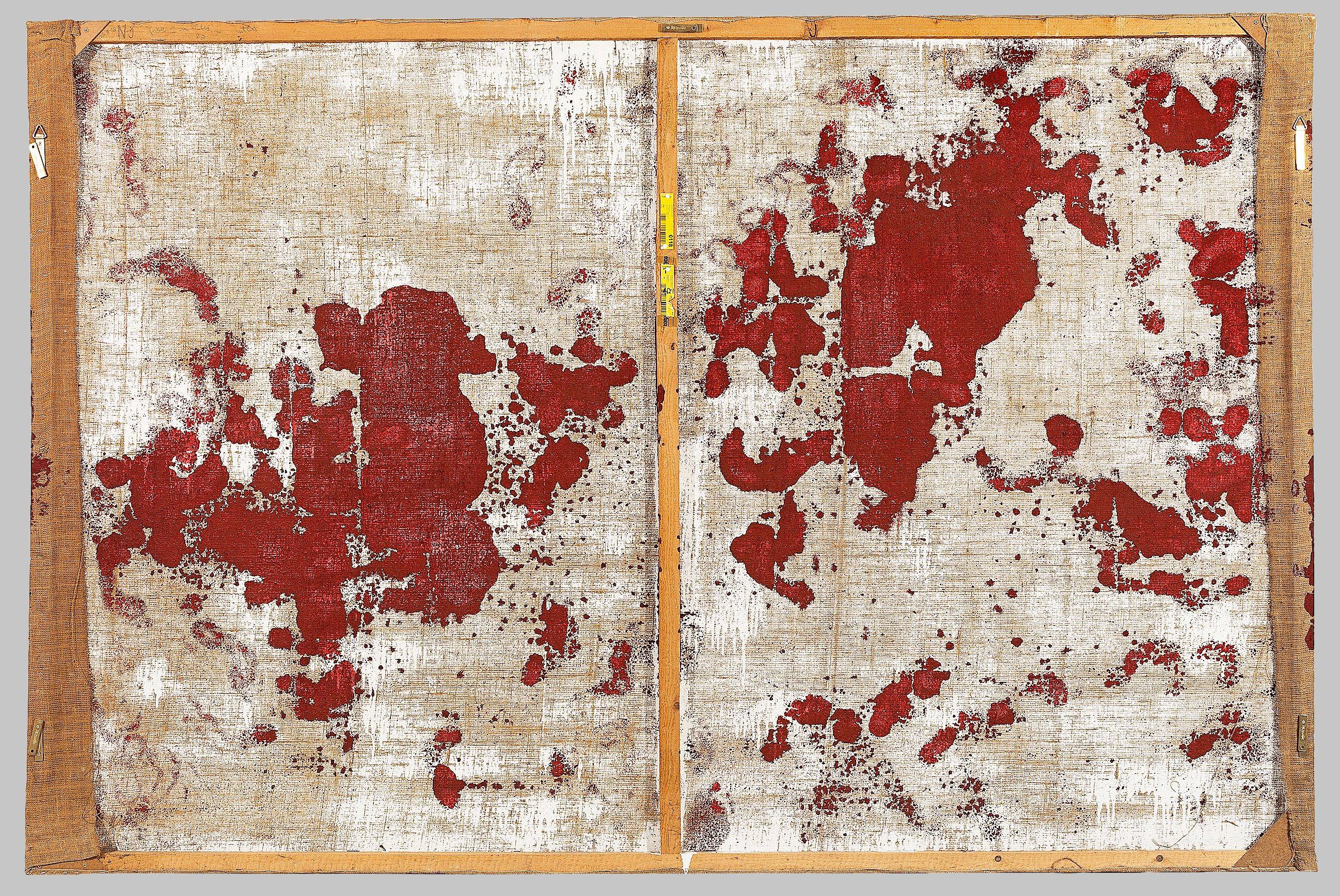
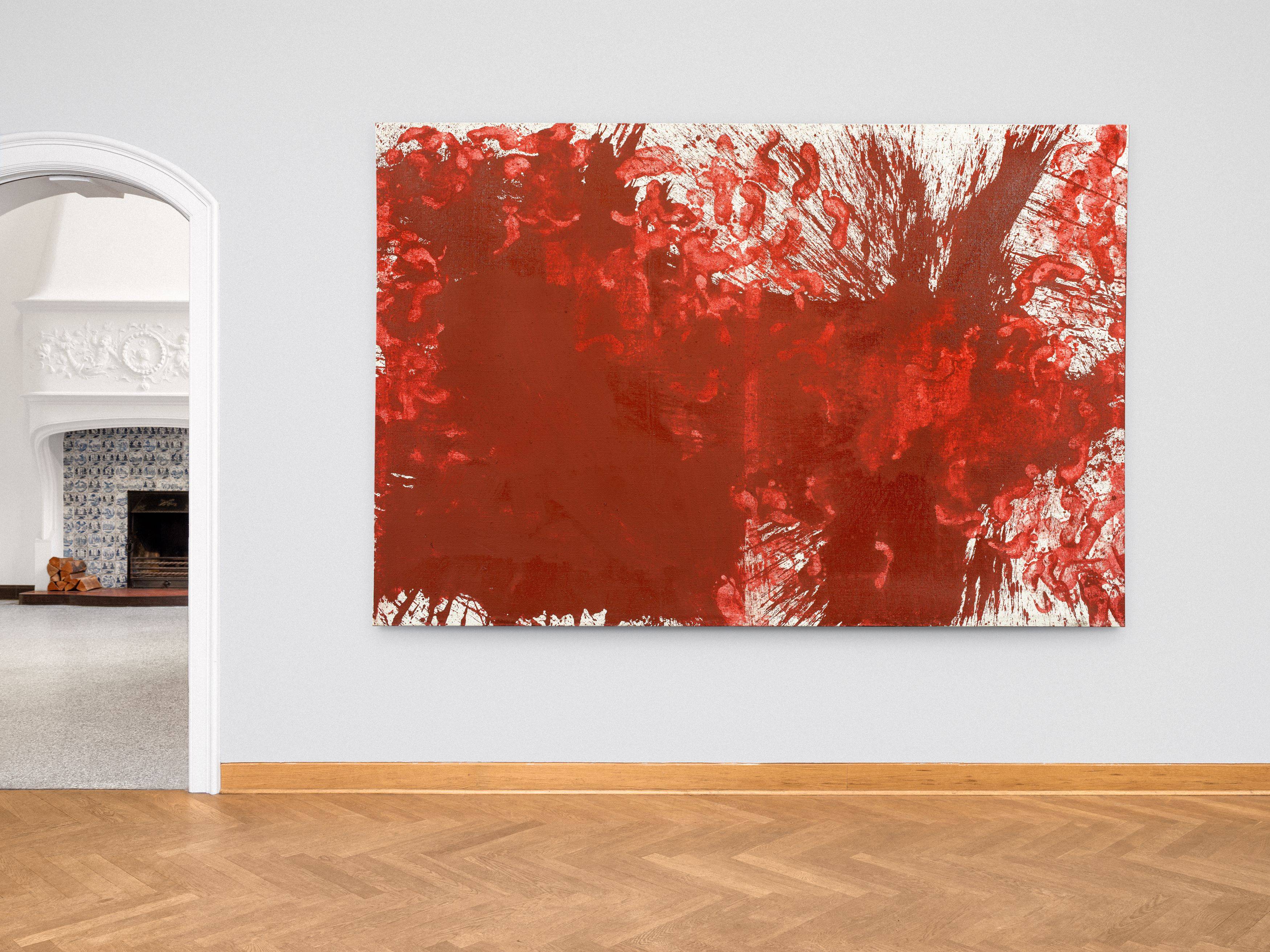
Untitled (Schüttbild). 1983

Background:

Background:

Background:

Background:
Estimate:
EUR 50,000
- 70,000
USD 56,200
- 78,700
Auction 378
Thursday, 26.11.2026, 6:00 PM
Request condition report
Ask our specialists
Private Collection, Europe (acquired from Galerie Fred Jahn, Munich, in the 1990s)
Alongside Günter Brus, Otto Muehl and Rudolf Schwarzkogler, Hermann Nitsch was one of the central protagonists of Viennese Actionism. Unlike Adolf Frohner, whose approach remained rooted in painting, Nitsch took a very different direction following their first joint action in 1962. His untitled red pour painting of 1983 exemplifies the distinct approach he had pursued ever since, setting his work apart from the painting of Arnulf Rainer, Herbert Platschek and Frohner, which was developing concurrently. Ultimately, all of Nitsch’s paintings are intellectually connected to the idea of his Orgies Mysteries Theatre, which the artist had been developing since around the mid-1950s.
In 1960, Nitsch began engaging with Art Informel, opening up a painterly and graphic discourse around the Orgies Mysteries Theatre, which he had conceived in literary terms as early as 1957. His encounters with the psychoanalyst and theologian Josef Dvorak, a co-founder of Viennese Actionism, and with the artists Rainer, Schwarzkogler, Muehl and Brus were followed by a series of spectacular actions between 1960 and 1966. Nitsch was sentenced to prison three times, prompting him to leave Austria in 1966. He lived in Germany until 1978. In 1971, he acquired Prinzendorf Castle in Burgenland, where, from 1974 onwards, he staged multi-day performances of his Dionysian-Apollonian theatre. Fundamental human conflicts preserved in myths and legends were enacted through new rituals devised by Nitsch, deliberately evoking ancient cult practices. The process-based nature of Art Informel also served as a source of inspiration.
As seen here, Nitsch poured red paint over hardboard panels and large canvases, creating flowing patterns, allowing droplets to form, and splashing and smearing the paint. “Red is the colour that most intensely stimulates registration, because it is simultaneously the colour of life and death,” Nitsch explained. The pour painting offered here is impressive not only for its physical scale, but also because it dates from the early stages of the artist’s increasingly ambitious philosophical vision, which finds its most powerful expression in his gestural paintings. This work is a pour painting created during a painting action by Hermann Nitsch at Prinzendorf Castle in 1983. MvL
Subject to change - Please refer to our conditions of sale.