
Los
1284
Würzburg 1897 – 1966 Wamel b. Soest
„Arche Noah“ / Holzbohlenweg mit Kapuzinerkresse / Kiefer neben der Loggia des Roten Hauses. 1928

Schätzung:
EUR 800
- 1.200
USD 1.082
- 1.620
Verkauft für:
1.190 EUR (inkl. Aufgeld)
Auktionen 164-167
Photographie, Do, 04.06.2009
Lot 1284 to Lot 1293
The year 1928 marks one of the first major career breakthroughs of photographer Albert Renger-Patzsch. During this year, Renger-Patzsch’s book Die Welt ist schön, a collection of one hundred images, was published. These photographs gave the master of New Objectivity photography a first recognition. Until today, it is one of the most important photo books of the 1920s. The editor of the book, Carl Georg Heise, who was also the director of the St. Annen Museum in Lübeck, was one of Renger-Patzsch’s most important patrons. Heise not only promoted Renger-Patzsch’s photographs in exhibitions, books, and articles, but also provided the photographer with lucrative assignments. One of these assignments was to photograph the estate of the Warburg financier family: the Kösterberg along the Elbe river in Hamburg-Blankenese. The estate consisted of three country houses, built between 1795 and 1911, an English garden and an architectural garden, designed in 1925, with patios along the rivers’ bank that had been inspired by Mediterranean terraces. @In the mid-1990s, during her dissertation research on Renger-Patzsch, photo historian Victoria Heckert discovered sixty photographs of vegetal close-ups and landscape views which were previously unknown. Over decades, these photographs belonged in the collection of the Warburg family and had not been published until this day.
According to the archive’s numbering system, the historians assume a convolute of sixty-eight photographs. Furthermore, the archival numbers allow for a reconstruction of Renger-Patzsch’s photographic journey though the estate starting at the villas on top of the hill, then following across the lawns and paths all the way to the patios of the Roman garden with a view of the Elbe river. Similarly to his other works, the photographer applied his characteristic arrangement of image groups, which included close-ups, longshots, pictures of details as well as total views. The present selection of his photographs consists mainly of vegetal close-ups, a specialty of Renger-Patzsch, who since the early 1920s had produced a variety of vegetal photography for Erich Fuhrmann’s Folkwang Auriga publishing house. This assignment provided Renger-Patzsch with the skill to capture the condition and the individual character of each of his vegetal objects and moreover, to focus on them with careful precision and extreme attention to detail. The principles of his rigorous objectivity and faithfulness to the object are also exceptionally well-formulated in the Warburg series. Some of the series’ motifs were included in other publications, such as the image entitled "Seerosenteich" (Lot No. 1290, no illustration) in the book "Die Welt ist schön". Renger-Patzsch’s book on Hamburg, on the other hand, contains photographs depicting the view of the Elbe river and a view of the park of the Warburg estate. Heise, who had helped the photographer to publish the book on Hamburg, also bought several of these images for the museum’s collection of modern photography in Lübeck..
ehemals Familie Warburg, Hamburg, direkt vom Künstler erworben
Albert Renger-Patzsch, Parklandschaften. 60 Fotos für die Warburgs, hg. von Oliver Breitfeld, Hamburg 2005, S. 12, 18, 44

Los
310
Der Mops von Paul Multhaupt (1884–1933). Um 1930
Schätzung:
EUR 2.000
- 3.000
Verkauft für:
EUR 1.875

Los
341
Porträt Christian Rohlfs. Um 1934
Schätzung:
EUR 600
- 800
Verkauft für:
EUR 750

Los
349
„Wamelner Bäuerin“. 1950er-Jahre
Schätzung:
EUR 700
- 900
Verkauft für:
EUR 562

Los
350
Kuhweide, Kühe und Bäume. Vermutlich 1930er-Jahre
Schätzung:
EUR 800
- 1.200
Verkauft für:
EUR 1.000
![Auf diesem Bild ist das folgende Kunstwerk zu sehen: Albert Renger-Patzsch. „Wäsche d. [er] Zeche Germania, Dortmund Marten“. 1952.](/img/containers/public_storage/archive_images/6f/45/45/ee22c1af-1e86-482e-9227-0774f49955db.jpg/70b7a06d6cad815b227e5c0354f66200/ee22c1af-1e86-482e-9227-0774f49955db.jpg)
Los
361
„Wäsche d. [er] Zeche Germania, Dortmund Marten“. 1952
Schätzung:
EUR 1.500
- 2.000
Verkauft für:
EUR 1.875
![Auf diesem Bild ist das folgende Kunstwerk zu sehen: Albert Renger-Patzsch. „Soest, Westseite, Patroklidom [sic!]“. Um 1930.](/img/containers/public_storage/archive_images/67/49/28/54d134a5-f0dc-4184-a1b8-2b33378c930c.jpg/60ed32cb90f628dc92886a23094ddefb/54d134a5-f0dc-4184-a1b8-2b33378c930c.jpg)
Los
364
„Soest, Westseite, Patroklidom [sic!]“. Um 1930
Schätzung:
EUR 600
- 800
Verkauft für:
EUR 750
![Auf diesem Bild ist das folgende Kunstwerk zu sehen: Albert Renger-Patzsch. „Schloss Cappenberg. Park v.[on] d.[er] Schlossterrasse aus gesehen“. 1949/50.](/img/containers/public_storage/archive_images/55/e8/d8/a134ba36-9d2c-4320-b5f3-7081502da678.jpg/470b02cbaecb719ddb8cc4f408af9a0f/a134ba36-9d2c-4320-b5f3-7081502da678.jpg)
Los
366
„Schloss Cappenberg. Park v.[on] d.[er] Schlossterrasse aus gesehen“. 1949/50
Schätzung:
EUR 800
- 1.200
Verkauft für:
EUR 1.000
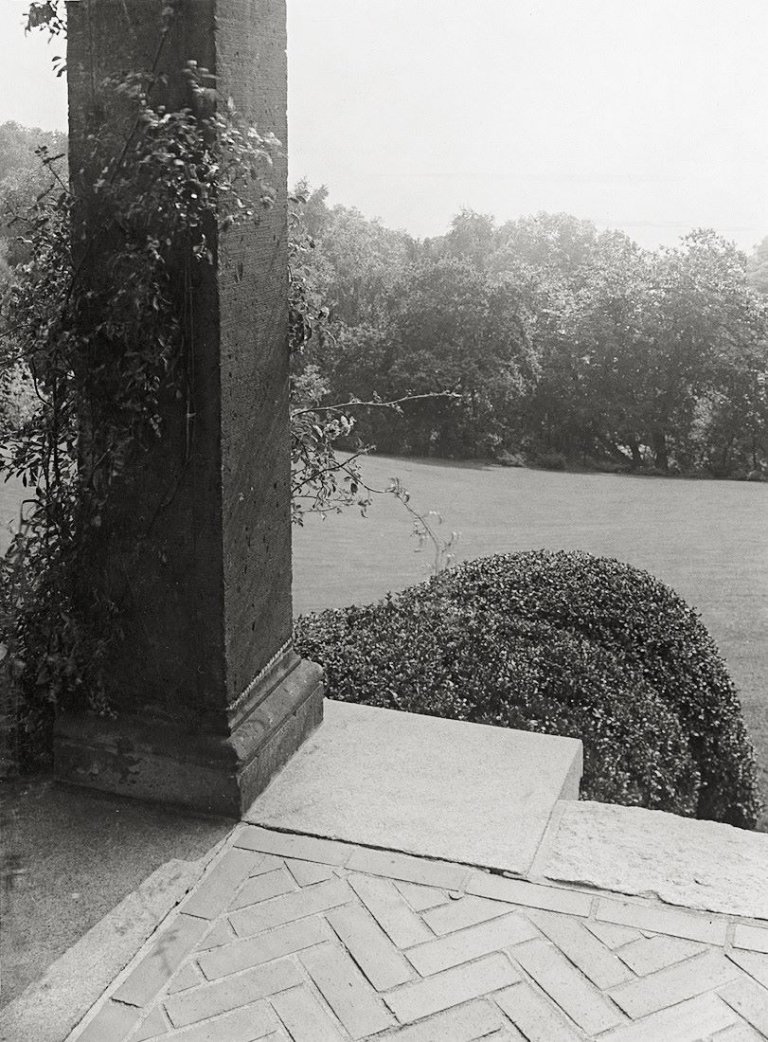
Los
1285
Rotes Haus: Blick von der Loggia / Stauden und Rasenflächen. 1928
Schätzung:
EUR 600
- 800
Verkauft für:
EUR 535
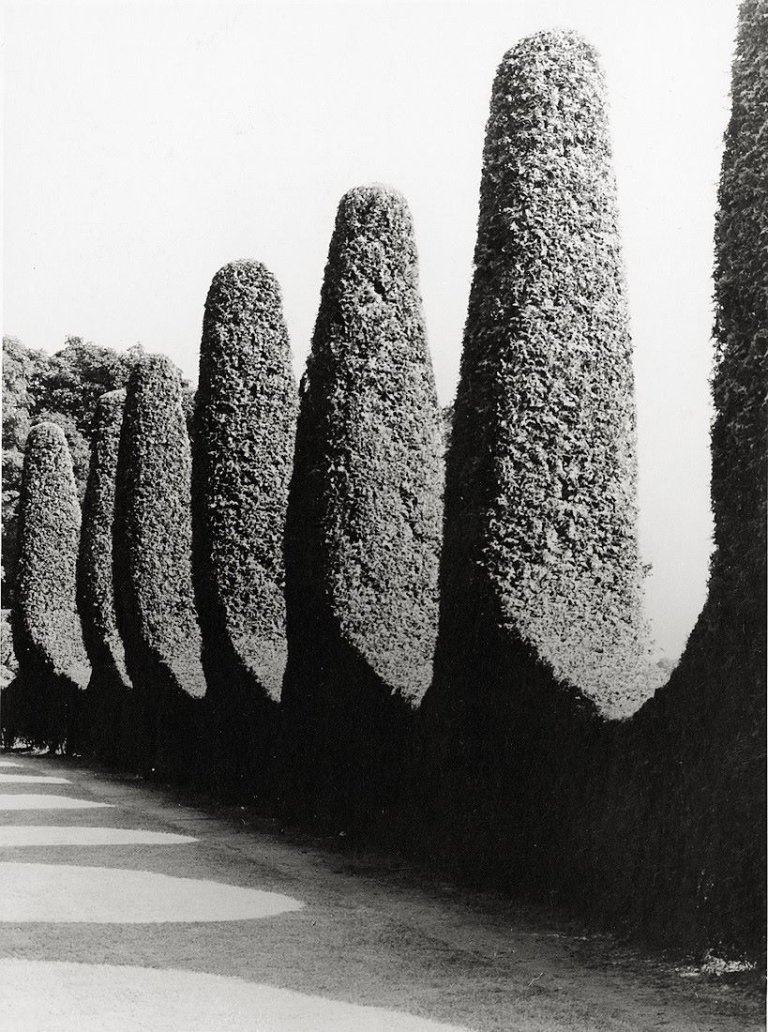
Los
1286
Römische Terrasse: Zierhecke I / Bogenspalier mit Obstbäumen vor Römischer Terrasse. 1928
Schätzung:
EUR 1.000
- 1.500
Verkauft für:
EUR 1.190

Los
1287
Engelstrompeten-Blüten / Blühende Engelstrompete im Kübel / Ziertabak-Blüten. 1928
Schätzung:
EUR 800
- 1.200
Verkauft für:
EUR 952
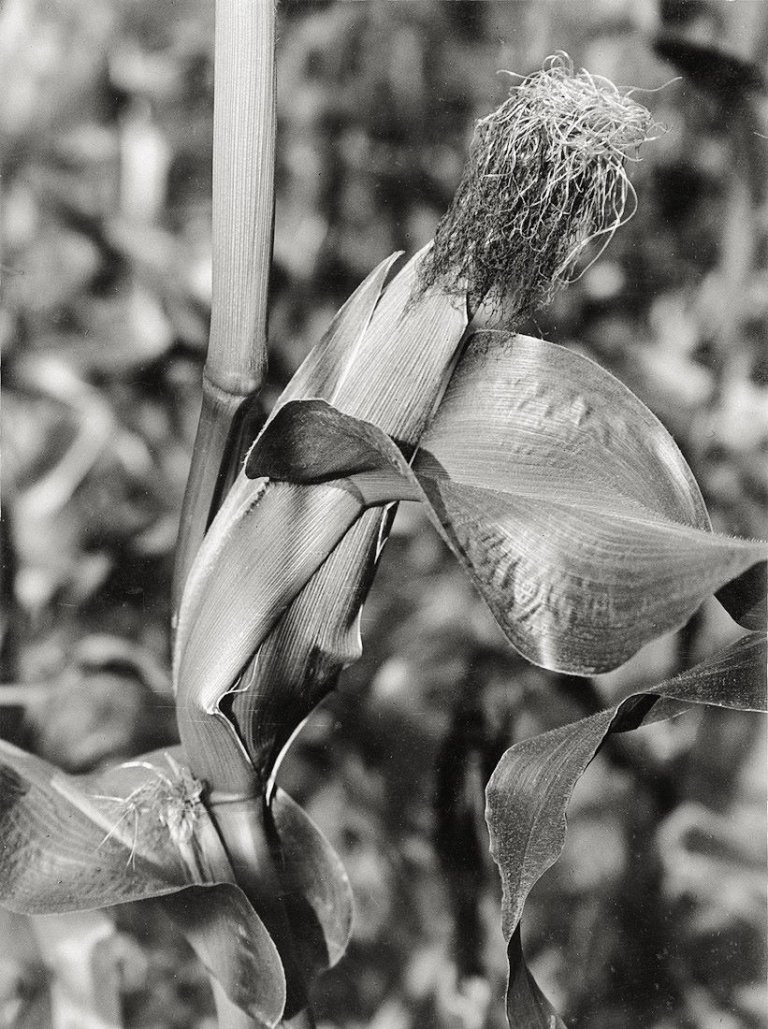
Los
1288
Sprossender Maiskolben / Junger Maiskolben mit Stempelbüschel / Männliche Blütenähre der Maispflanze. 1928
Schätzung:
EUR 1.500
- 2.500
Verkauft für:
EUR 1.785
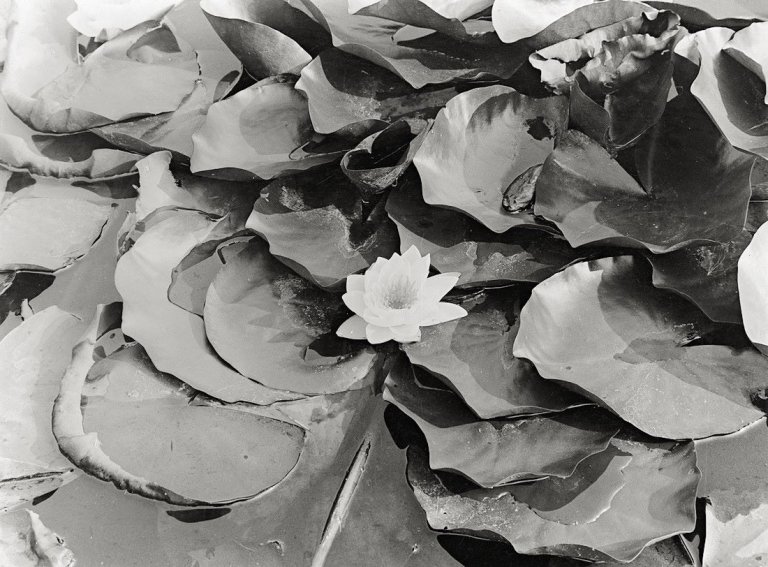
Los
1290
Römische Terrasse: Blühende Seerose / Römische Terrasse: Teichrosen. 1928
Schätzung:
EUR 1.500
- 2.000
Verkauft für:
EUR 1.785

Los
1290
Korb einer verblühten Sonnenblume. 1928
Schätzung:
EUR 1.500
- 2.000
Verkauft für:
EUR 2.261

Los
1291
Lindenallee / Weggabelung im Wald. 1928
Schätzung:
EUR 600
- 800
Verkauft für:
EUR 1.071
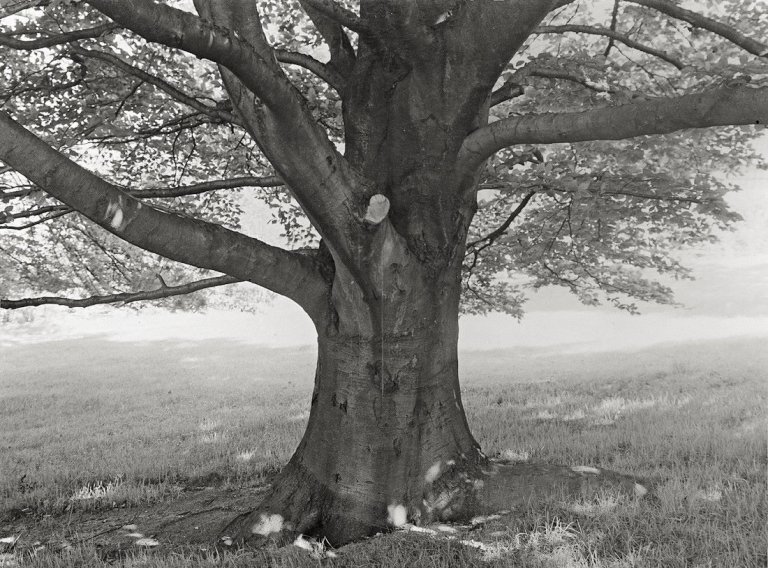
Los
1292
Buche auf dem Rasen neben der „Arche“ / Birkengruppe. 1928
Schätzung:
EUR 600
- 800
Verkauft für:
EUR 1.011

Los
1293
Frauenschuh-Orchidee / Schmuck-Dahlie. 1928
Schätzung:
EUR 800
- 1.200
Verkauft für:
EUR 952

Los
1397R
Zeche Adolf von Hansemann, Bergeturm bei Dortmund, Schacht Gustav. 1940
Schätzung:
EUR 1.200
- 1.500
Verkauft für:
EUR 1.464

Los
1398R
Zechentürme, Turmförderung (Zeche Grimberg, Bergkamen). Um 1950
Schätzung:
EUR 2.000
- 3.000
Verkauft für:
EUR 2.440
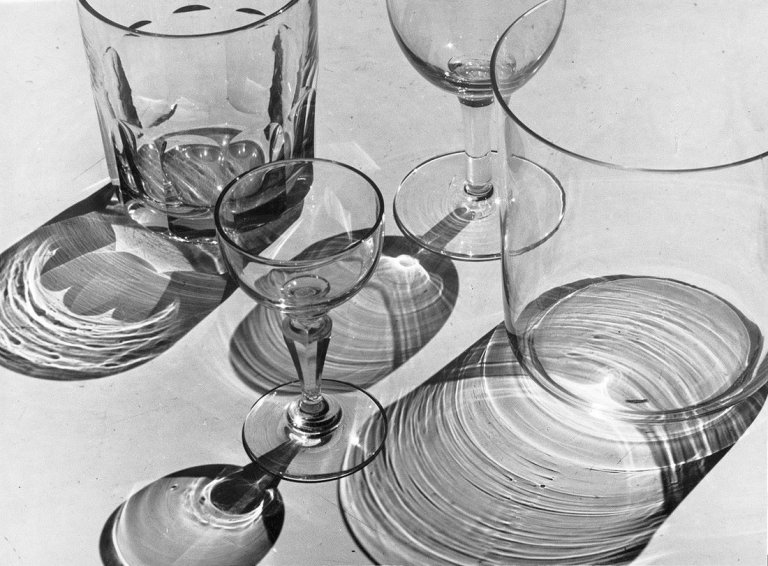
Los
1448
Glas. 1927–1928
Schätzung:
EUR 4.000
- 6.000
Verkauft für:
EUR 23.800

Los
1449
Pleuel. 1925–1928
Schätzung:
EUR 3.000
- 4.000
Verkauft für:
EUR 3.570

Los
1452
ROGO-Werke, Teilansicht: Der Klinkerbau
des Nordflügels mit dem zehnstöckigen Turm. Um 1936
Schätzung:
EUR 4.500
- 5.500
Verkauft für:
EUR 4.165
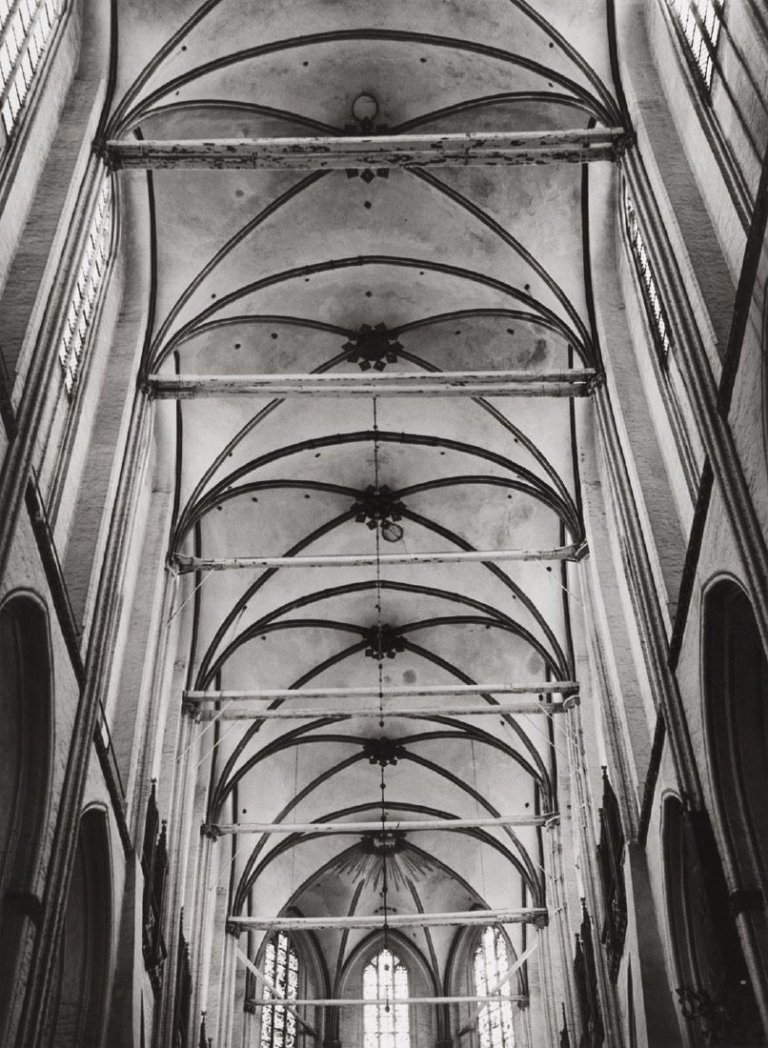
Los
1562
Deckengewölbe der Marienkirche in Lübeck. 1928
Schätzung:
EUR 2.000
- 2.500
Verkauft für:
EUR 1.190

Los
1567
Salpetersäurebetrieb, Absorptionsanlage Bamag, Ruhrchemie, Oberhausen-Holten. Um 1938
Schätzung:
EUR 3.000
- 4.000
Verkauft für:
EUR 2.380

Los
1578
Kühltürme, Kraftwerk, Ruhrchemie, Oberhausen-Holten. Um 1933-1934
Schätzung:
EUR 2.500
- 3.500
Verkauft für:
EUR 5.236

Los
1610
„Grosstadtbild (in Essen)“. 1935
Schätzung:
EUR 4.500
- 5.500
Verkauft für:
EUR 7.735

Los
1610
Korb einer verblühten Sonnenblume. 1928
Schätzung:
EUR 2.500
- 3.500
Verkauft für:
EUR 3.332

Los
1613
Römische Terrasse: Blühende Seerose. 1928
Schätzung:
EUR 1.000
- 1.500
Verkauft für:
EUR 1.190

Los
1614
Römische Terrasse: Wasserrosen. 1928
Schätzung:
EUR 2.000
- 3.000
Verkauft für:
EUR 6.902

Los
1615
Clematis / Drehfrucht. 1928
Schätzung:
EUR 800
- 1.200
Verkauft für:
EUR 833

Los
1616
Birke vor Elbe / Birkenast. 1928
Schätzung:
EUR 800
- 1.200
Verkauft für:
EUR 1.190

Los
1617
Waldrand. 1928
Schätzung:
EUR 1.000
- 1.500
Verkauft für:
EUR 2.856

Los
1618
Gladiole / Königskerze. 1928
Schätzung:
EUR 800
- 1.200
Verkauft für:
EUR 952

Los
1620
Weinreben im Weinhaus. 1928
Schätzung:
EUR 700
- 900
Verkauft für:
EUR 595

Los
1621
Trauben. 1928
Schätzung:
EUR 700
- 900
Verkauft für:
EUR 833

Los
1622
„Obstbaum im Winter“. Um 1930
Schätzung:
EUR 3.000
- 4.000
Verkauft für:
EUR 5.712

Los
1622
„Bei Essen“. 1929
Schätzung:
EUR 3.000
- 5.000
Verkauft für:
EUR 4.522

Los
1660
Seerosenbassin im Park der Familie Warburg in Hamburg-Blankenese. 1928
Schätzung:
EUR 1.800
- 2.200
Verkauft für:
EUR 357

Los
1663
„Teichrosen“. 1928
Schätzung:
EUR 3.000
- 4.000
Verkauft für:
EUR 7.735
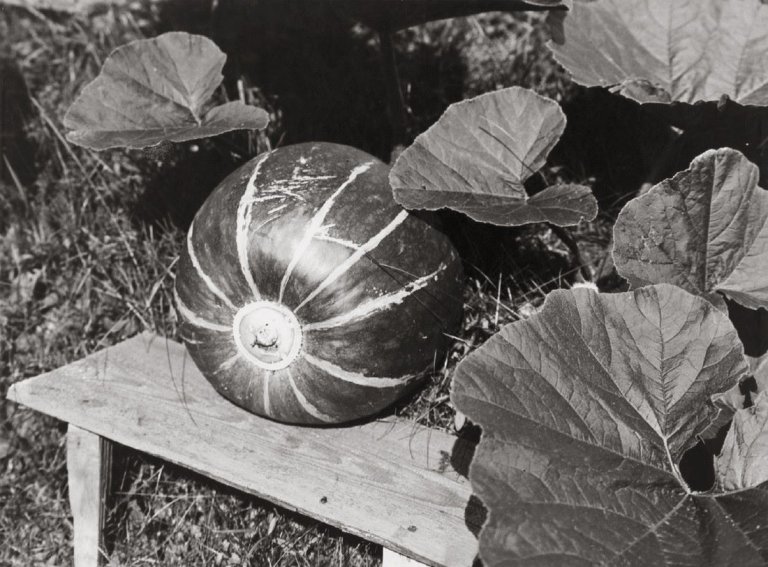
Los
1666
Kürbis. 1928
Schätzung:
EUR 2.000
- 3.000
Verkauft für:
EUR 595

Los
1753
„Töpferhände“. 1925
Schätzung:
EUR 4.000
- 5.000
Verkauft für:
EUR 2.380

Los
2036
Rangiergleise im Zechengebiet bei Dortmund. 1934
Schätzung:
EUR 1.500
- 2.000
Verkauft für:
EUR 7.125

Los
2044
„Atlantikküste bei Le Couquet / Bretagne“. Vor 1943
Schätzung:
EUR 1.500
- 2.500
Verkauft für:
EUR 1.875

Los
2051
Weidenallee in Knokke, Belgien. Um 1942
Schätzung:
EUR 1.500
- 2.000
Verkauft für:
EUR 1.875

Los
2052
Park der Familie Warburg in Hamburg Blankenese. Bogenspalier mit Obstbäumen vor Römischer Terrasse / Römische Terrasse: Zierhecke I. 1928
Schätzung:
EUR 1.500
- 2.000
Verkauft für:
EUR 5.625
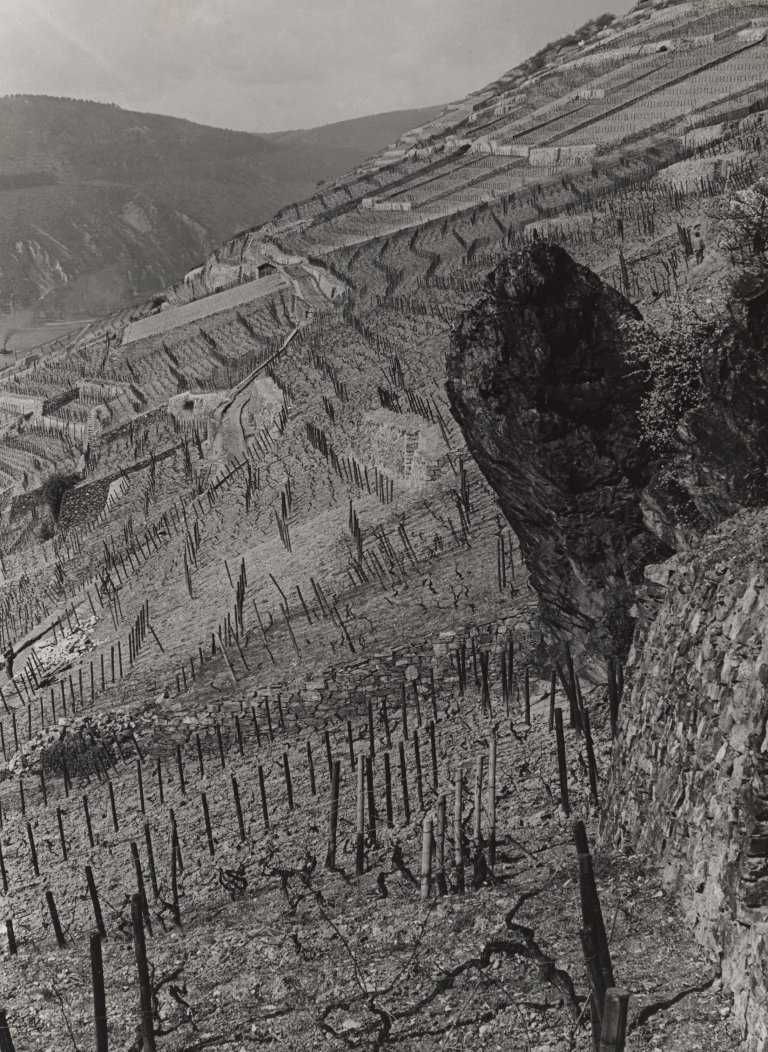
Los
2053
„Weinberge am Binger Loch“. Um 1950
Schätzung:
EUR 2.000
- 3.000
Verkauft für:
EUR 2.500

Los
2068
„Landschaft bei Bochum“. 1929
Schätzung:
EUR 4.500
- 6.500
Verkauft für:
EUR 13.750

Los
2072
Triebwerk einer Lokomotive. 1925
Schätzung:
EUR 40.000
- 60.000
Verkauft für:
EUR 50.000

Los
2082
Clematisblüten und -knospen. 1928
Schätzung:
EUR 800
- 1.200
Verkauft für:
EUR 854

Los
2083R
Eisenhüttenwerke, Goslar. 1956
Schätzung:
EUR 1.000
- 1.500
Verkauft für:
EUR 1.220

Los
2084R
Schamottfabrik Koppers, Düsseldorf. 1956
Schätzung:
EUR 1.000
- 1.500
Verkauft für:
EUR 1.220

Los
2085R
Ohne Titel (Bäume). Nach 1945
Schätzung:
EUR 1.200
- 1.800
Verkauft für:
EUR 1.464

Los
2086
Hevebecken-Möhnesee bei Niedrigwasser. 1956
Schätzung:
EUR 1.200
- 1.800
Verkauft für:
EUR 1.500
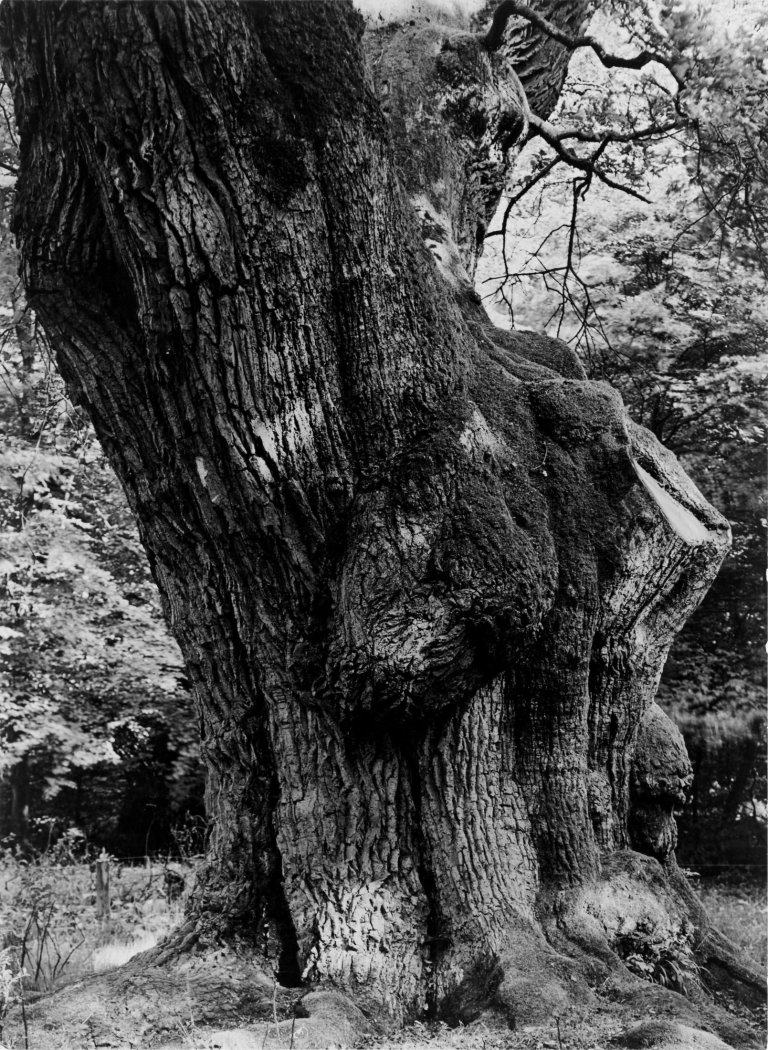
Los
2086
Eiche. Um 1958/59
Schätzung:
EUR 1.200
- 1.500
Verkauft für:
EUR 3.500

Los
2087
Dorfteich im Winter. 1920er–Jahre
Schätzung:
EUR 2.000
- 2.500
Verkauft für:
EUR 2.500

Los
2088R
Lübeck, Querstraße mit Stützbalken. 1927
Schätzung:
EUR 3.000
- 4.000
Verkauft für:
EUR 3.750

Los
2089
Bütten auf der Straße, Weinlese an der Mosel. Um 1927
Schätzung:
EUR 2.000
- 3.000
Verkauft für:
EUR 6.100

Los
2089
Bretagne. Bucht von Douarnenez. 1940
Schätzung:
EUR 2.500
- 3.000
Verkauft für:
EUR 3.125

Los
2090R
Ohne Titel (Cottonmaschine, Strumpfwirkmaschine, Schubert & Salzer, Ingolstadt). 1950er Jahre
Schätzung:
EUR 1.200
- 1.800
Verkauft für:
EUR 1.464

Los
2090
Gesteins-Transport im oberen Tessin (Verwitterung, Abtragung, Erosion, Transport). Vermutlich Anfang 1960er-Jahre
Schätzung:
EUR 3.000
- 3.500
Verkauft für:
EUR 2.375

Los
2091
Birkenast und Elbinseln. 1928
Schätzung:
EUR 1.500
- 2.000
Verkauft für:
EUR 1.586

Los
2091
„Das Bäumchen“. 1929
Schätzung:
EUR 40.000
- 60.000
Verkauft für:
EUR 50.000

Los
2092
Faucaria tigrina. Mesembryanthemaceae (Tigerrachen. Eiskrautgewächse). 1922/23
Schätzung:
EUR 1.200
- 1.500
Verkauft für:
EUR 2.250

Los
2093
„Weiden“. 1930er Jahre
Schätzung:
EUR 3.200
- 3.800
Verkauft für:
EUR 4.880

Los
2093
Frauenschuh-Orchidee / Schmuck-Dahlie. 1928
Schätzung:
EUR 800
- 1.200
Verkauft für:
EUR 1.875

Los
2094
Ohne Titel. Um 1925-1928
Schätzung:
EUR 1.500
- 2.000
Verkauft für:
EUR 3.050

Los
2102
Portrait Käthe Wittlake / Junge unbekannte Frau / Ronald Gregor Smith. 1930er bzw. 1950er Jahre
Schätzung:
EUR 800
- 1.000
Verkauft für:
EUR 2.500

Los
2102
„Oberes Becken der Möhnetalsperre ausgelaufen“. Vermutlich um 1951
Schätzung:
EUR 2.500
- 3.500
Verkauft für:
EUR 3.125

Los
2102R
„Mesembrianth Mirabiles“. 1923/24
Schätzung:
EUR 1.400
- 1.800
Verkauft für:
EUR 2.000

Los
2103R
Römische Terrasse: Blühende Seerose. 1928
Schätzung:
EUR 1.200
- 1.500
Verkauft für:
EUR 3.294

Los
2103
Ohne Titel (Wald). 1930er–1940er Jahre
Schätzung:
EUR 1.200
- 1.500
Verkauft für:
EUR 3.750

Los
2103
Ohne Titel (Pappeln). Undatiert
Schätzung:
EUR 2.000
- 3.000
Verkauft für:
EUR 2.500

Los
2103
Zeche Germania in Dortmund-Marten. Um 1944
Schätzung:
EUR 2.500
- 3.500
Verkauft für:
EUR 6.000
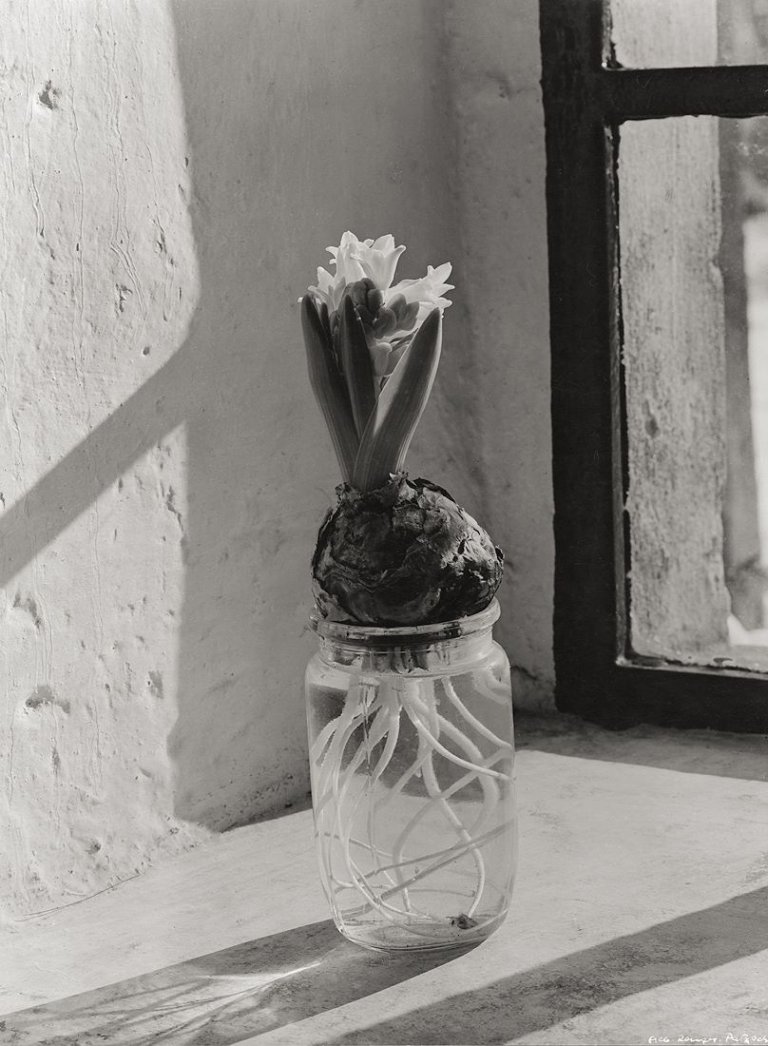
Los
2104R
Hyacinthe. Um 1955
Schätzung:
EUR 10.000
- 15.000
Verkauft für:
EUR 10.980

Los
2104
Album mit 30 Photographien. Um 1935
Schätzung:
EUR 36.000
- 44.000
Verkauft für:
EUR 45.000
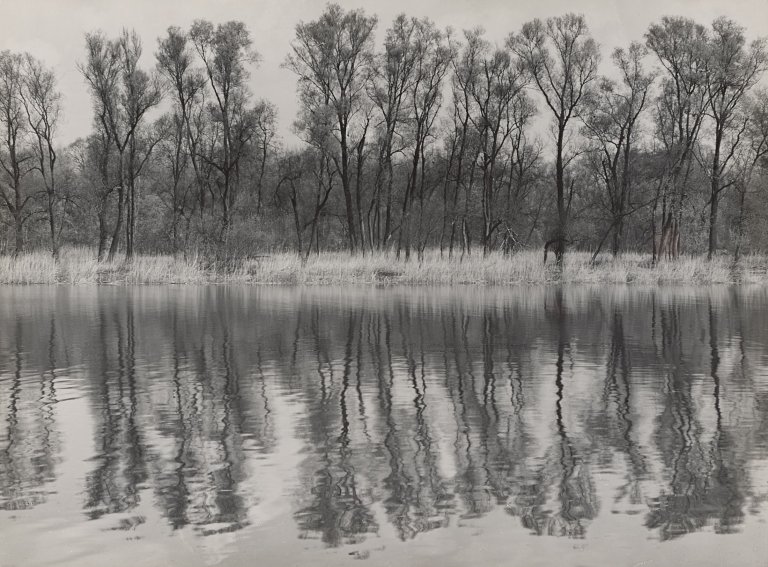
Los
2104
„Altrheinlandschaft bei Mainz“. 1952
Schätzung:
EUR 3.000
- 4.000
Verkauft für:
EUR 5.500

Los
2105R
Ohne Titel (Ruhrchemie, Oberhausen-Holten). 1933-1934
Schätzung:
EUR 1.800
- 2.200
Verkauft für:
EUR 2.196

Los
2105
„Buhnenpfähle bei St. Malo. Bretagne“. 1942
Schätzung:
EUR 3.000
- 4.000
Verkauft für:
EUR 3.750

Los
2106R
Blick auf das Stickstoffwerk (Ruhrchemie, Oberhausen-Holten). 1933-1934
Schätzung:
EUR 1.800
- 2.200
Verkauft für:
EUR 2.440

Los
2107R
Gleisanschlüsse mit Werksanlagen (Ruhrchemie, Oberhausen-Holten). 1933-1934
Schätzung:
EUR 1.800
- 2.200
Verkauft für:
EUR 2.196

Los
2108R
Ohne Titel (Ruhrchemie, Oberhausen-Holten). 1933-1934
Schätzung:
EUR 1.800
- 2.200
Verkauft für:
EUR 2.196

Los
2111
Linde in Harste bei Göttingen. Um 1962
Schätzung:
EUR 2.000
- 3.000
Verkauft für:
EUR 3.125

Los
2113
Das Bäumchen. 1929
Schätzung:
EUR 20.000
- 30.000
Verkauft für:
EUR 70.000

Los
2113
„Hinter dem Haus, Wamel“. Um 1957
Schätzung:
EUR 1.000
- 1.500
Verkauft für:
EUR 1.250

Los
2114R
„Weisstannen im nördl. Schwarzwald“. 1950er– frühe 1960er Jahre
Schätzung:
EUR 1.500
- 2.000
Verkauft für:
EUR 1.500

Los
2114
Die Heve (Arnsberger Wald). 1951–1952
Schätzung:
EUR 700
- 900
Verkauft für:
EUR 875

Los
2114
Ohne Titel (Trinkglas). Vermutlich Ende der 1950er Jahre
Schätzung:
EUR 1.000
- 1.500
Verkauft für:
EUR 1.250
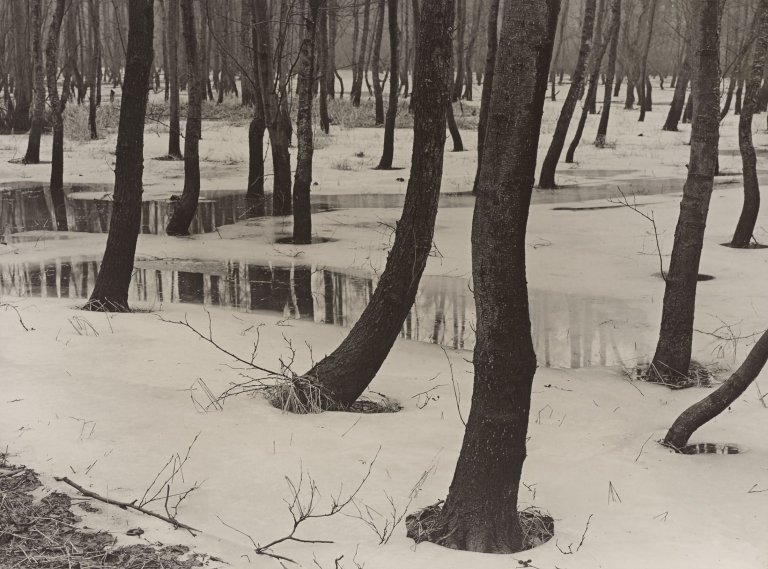
Los
2114
„Erlenbruch im Winter“. 1947
Schätzung:
EUR 3.000
- 4.000
Verkauft für:
EUR 6.000

Los
2114
„Montagnola, Tessin“. Um 1938
Schätzung:
EUR 2.000
- 3.000
Verkauft für:
EUR 2.500

Los
2115
„Brockenurwald“. 1927
Schätzung:
EUR 1.500
- 1.800
Verkauft für:
EUR 4.375

Los
2115
Wintertag am Möhnesee bei Körbecke. 1946
Schätzung:
EUR 3.000
- 4.000
Verkauft für:
EUR 12.500

Los
2116
„Kopfweiden/Niederrhein“. 1929
Schätzung:
EUR 1.500
- 1.800
Verkauft für:
EUR 8.750

Los
2116
Ohne Titel (Gehöft in Essen-Fronhausen und Zeche Rosenblumendelle). 1928
Schätzung:
EUR 5.000
- 7.000
Verkauft für:
EUR 11.875
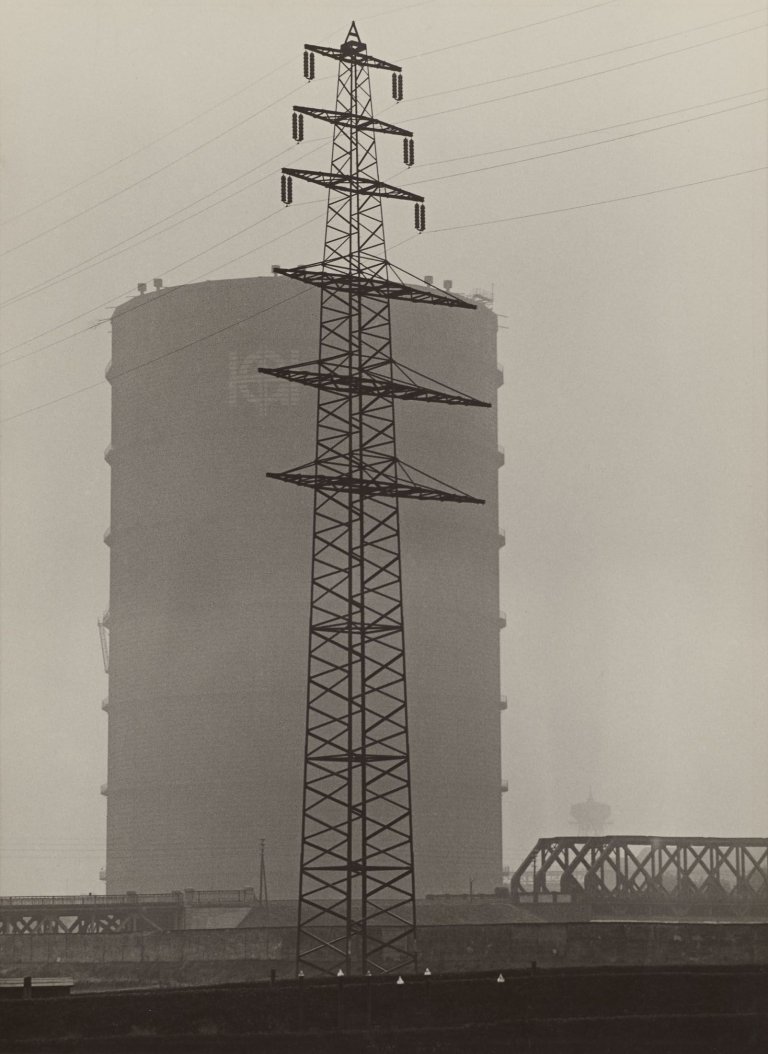
Los
2116
Gas und Strom. 1932
Schätzung:
EUR 5.000
- 7.000
Verkauft für:
EUR 42.500

Los
2117
Schieferung - Knollenkalk bei Oslo, Norwegen. 1964
Schätzung:
EUR 1.800
- 2.200
Verkauft für:
EUR 2.250

Los
2118
„Formsandgrube bei Bottrop“. 1929
Schätzung:
EUR 3.000
- 4.000
Verkauft für:
EUR 6.250

Los
2118
Buch: „Hamburg. Photographische Aufnahmen“.
Schätzung:
EUR 300
- 400
Verkauft für:
EUR 375

Los
2119
Silhouette von Hamburg. Späte 1920er Jahre
Schätzung:
EUR 3.000
- 3.500
Verkauft für:
EUR 6.000
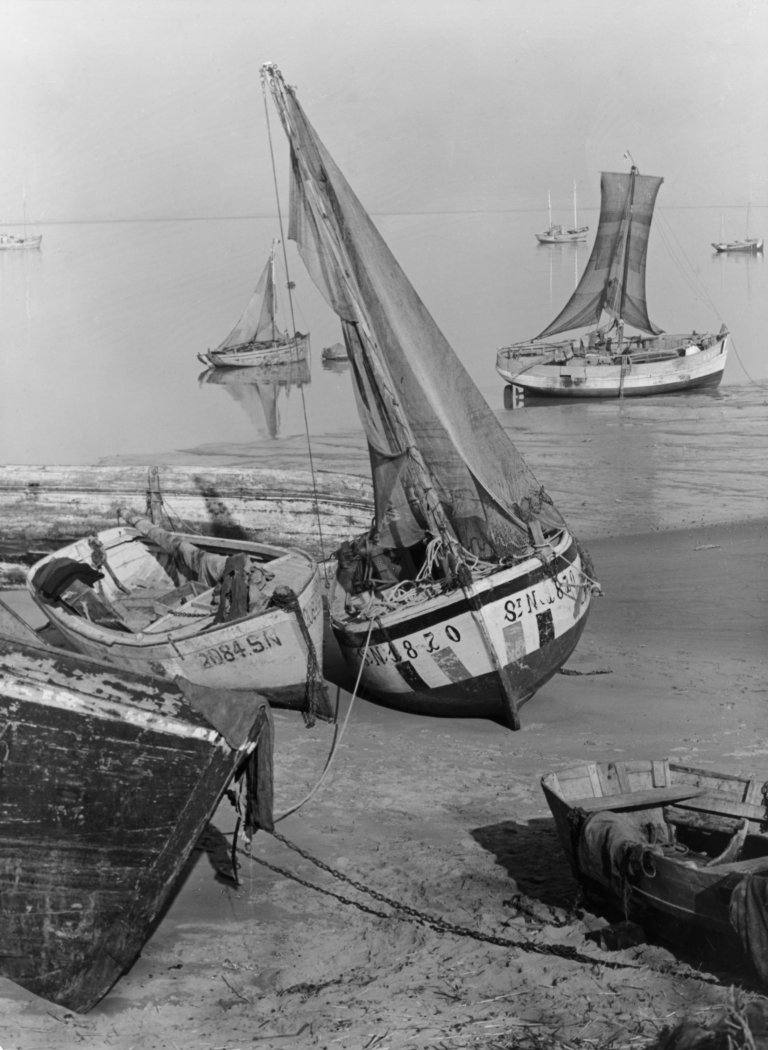
Los
2123
„Boote an der Loiremündung“. 1943
Schätzung:
EUR 2.500
- 3.500
Verkauft für:
EUR 3.375

Los
2131R
„Germania“ (Zeche Germania IV, Dortmund). 1952/54
Schätzung:
EUR 3.000
- 4.000
Verkauft für:
EUR 5.000

Los
2132R
„Germania“ (Zeche Germania II, Dortmund). 1952/54
Schätzung:
EUR 4.000
- 6.000
Verkauft für:
EUR 6.875

Los
2134
Ohne Titel (Acker) / Ohne Titel (Haus am Waldrand) / Ohne Titel (Landmaschine). 1930er–1940er Jahre
Schätzung:
EUR 2.000
- 2.500
Verkauft für:
EUR 2.375

Los
2134
„Innenansicht der Petrikirche“. 1928
Schätzung:
EUR 1.600
- 1.800
Verkauft für:
EUR 4.125

Los
2135
„Blick auf Lübeck“. Um 1927
Schätzung:
EUR 2.000
- 3.000
Verkauft für:
EUR 2.500

Los
2136
Ohne Titel (Wald). 1930er–1940er Jahre
Schätzung:
EUR 1.200
- 1.500
Verkauft für:
EUR 1.500

Los
2136
Wohnhaus der Familie Renger in Wamel (Möhnesee). Um 1946
Schätzung:
EUR 700
- 900
Verkauft für:
EUR 750

Los
2136R
Töpferhände. 1925
Schätzung:
EUR 1.200
- 1.800
Verkauft für:
EUR 4.500

Los
2137
Zeche Grimberg, Bergkamen. Um 1950
Schätzung:
EUR 2.000
- 3.000
Verkauft für:
EUR 9.750

Los
2137
Weidenallee in Knokke, Belgien. Um 1942
Schätzung:
EUR 2.000
- 3.000
Verkauft für:
EUR 3.250
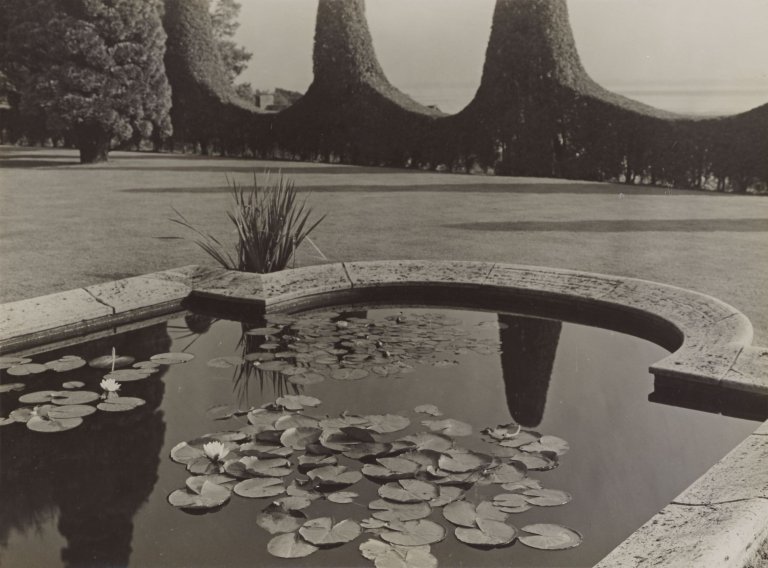
Los
2138
Seerosenbassin im Park der Familie Warburg in Hamburg-Blankenese. 1928
Schätzung:
EUR 1.000
- 1.500
Verkauft für:
EUR 1.250
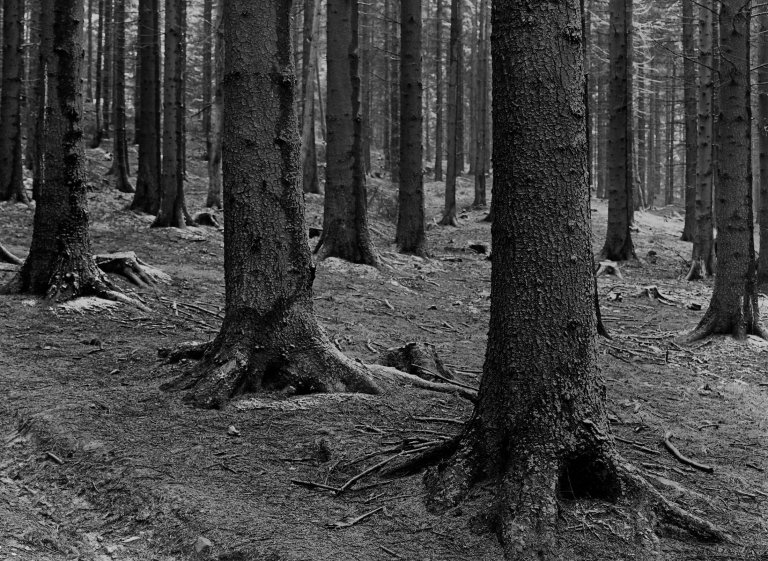
Los
2139
Fichtenwald. 1950er Jahre
Schätzung:
EUR 1.800
- 2.200
Verkauft für:
EUR 2.250

Los
2139
Zechenanlage. 1930
Schätzung:
EUR 2.500
- 3.500
Verkauft für:
EUR 5.000

Los
2140
Möhnewiesen bei Völlinghausen. Um 1942
Schätzung:
EUR 2.000
- 3.000
Verkauft für:
EUR 2.500

Los
2140
„Zeche Katharina, Brikettfabrik“. 1956
Schätzung:
EUR 2.500
- 3.500
Verkauft für:
EUR 4.125

Los
2142
„Leguminos. Cliantus Dampieri“. Um 1928
Schätzung:
EUR 1.500
- 2.000
Verkauft für:
EUR 1.250

Los
2143R
„Kassel, Wilhelmshöhe, alte Pappeln“. Um 1960
Schätzung:
EUR 1.000
- 1.500
Verkauft für:
EUR 1.000

Los
2143
Crassulaceae, Greenovia Aurea, Kapland. Um 1925
Schätzung:
EUR 1.500
- 2.000
Verkauft für:
EUR 1.250
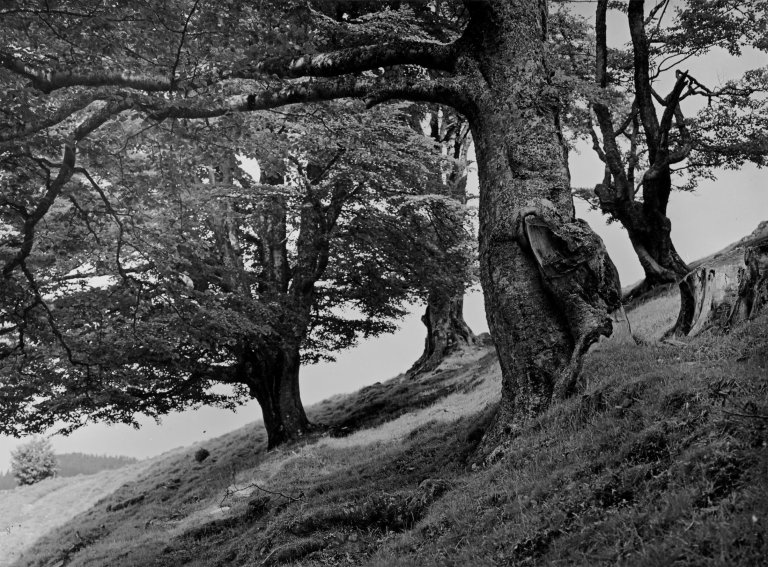
Los
2144R
„Triftbuchen, Hochschwarzwald“. 1960
Schätzung:
EUR 1.000
- 1.500
Verkauft für:
EUR 937

Los
2170
Moorbach im Winter. Vor 1928
Schätzung:
EUR 10.000
- 15.000
Verkauft für:
EUR 12.500